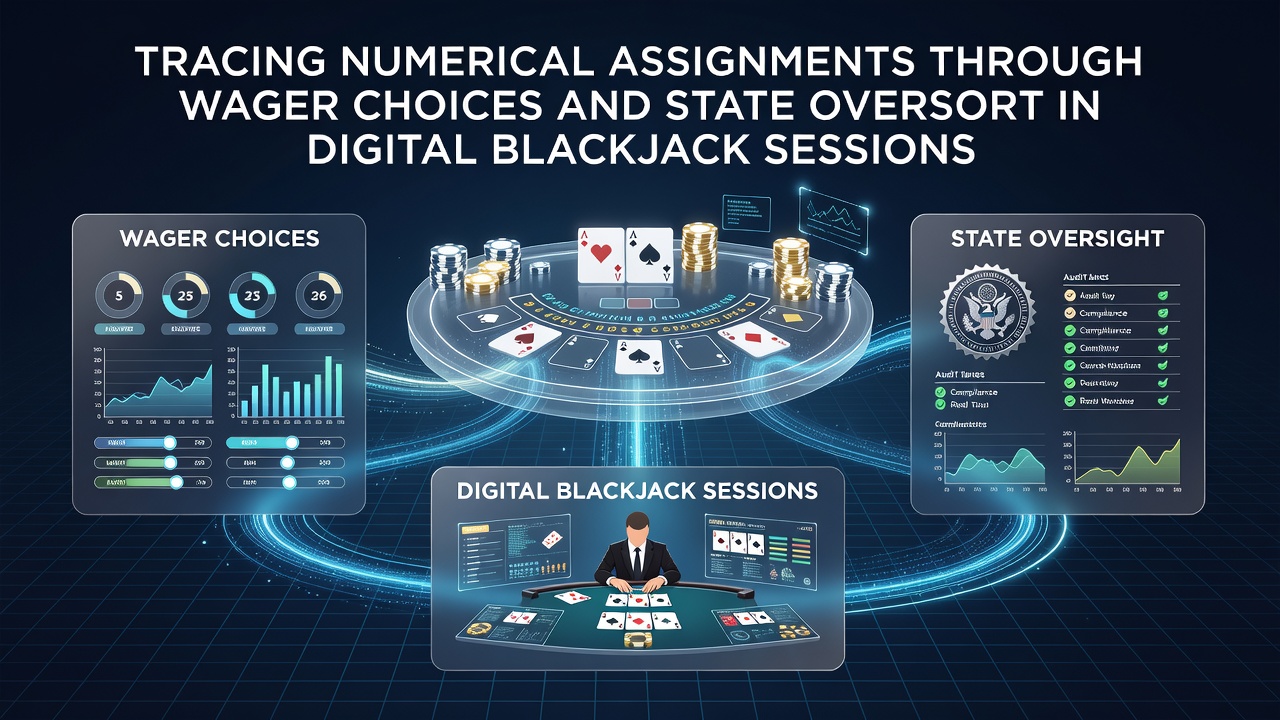
Mapping Numerical Sequences in Digital Blackjack Wagers Under State Regulatory Scrutiny
Digital blackjack platforms assign specific numerical values to each card during every session, and these assignments feed directly into wager calculations that state regulators monitor through detailed logging systems. Card values follow standard patterns where numbered cards retain their face values while face cards register as ten and aces register as either one or eleven depending on the hand total, yet the real focus lies in how these numbers connect to bet amounts placed by players across multiple rounds.
State agencies require operators to record every numerical assignment alongside the corresponding wager choice in real time, which creates traceable sequences that auditors review for compliance with jurisdictional standards. These records capture bet sizes, timing between wagers, and adjustments made after each card reveal so that oversight bodies can verify whether platform algorithms handle numerical progressions consistently across sessions.
Recording Wager Numbers in Licensed Platforms
Operators integrate software that captures numerical data from card draws and immediately links those figures to the wager amount selected at the start of each hand. When a player increases a bet after seeing initial cards, the system logs the new numerical total against the updated stake, and this information flows into centralized databases maintained for state inspection. Platforms must maintain these records for periods specified by each jurisdiction, which allows regulators to reconstruct sequences of play without relying on player memory or operator summaries.
Researchers at institutions studying gaming technology have examined how these logging protocols operate in practice, and data from multiple states shows consistent requirements for timestamped entries that tie every numerical card assignment to its matching wager. Such systems reduce discrepancies that might arise from manual tracking methods used in earlier digital formats.
State Oversight Mechanisms Across Jurisdictions
Regulatory bodies in different states apply distinct rules for how numerical wager data must be stored and reported, with some requiring daily uploads of session summaries while others mandate real-time access for audit teams. The Nevada Gaming Control Board, for instance, enforces standards that include verification of random number generators against numerical card assignments to ensure wager outcomes align with certified probabilities. In contrast, the Alcohol and Gaming Commission of Ontario has implemented cross-border data sharing agreements that let officials trace sequences spanning multiple licensed platforms.
These oversight processes focus on detecting patterns where wager choices deviate from expected numerical progressions based on visible card totals. Auditors compare recorded bet amounts against the mathematical possibilities created by each hand's assigned values, which helps identify any irregularities in platform behavior without examining individual player strategies.
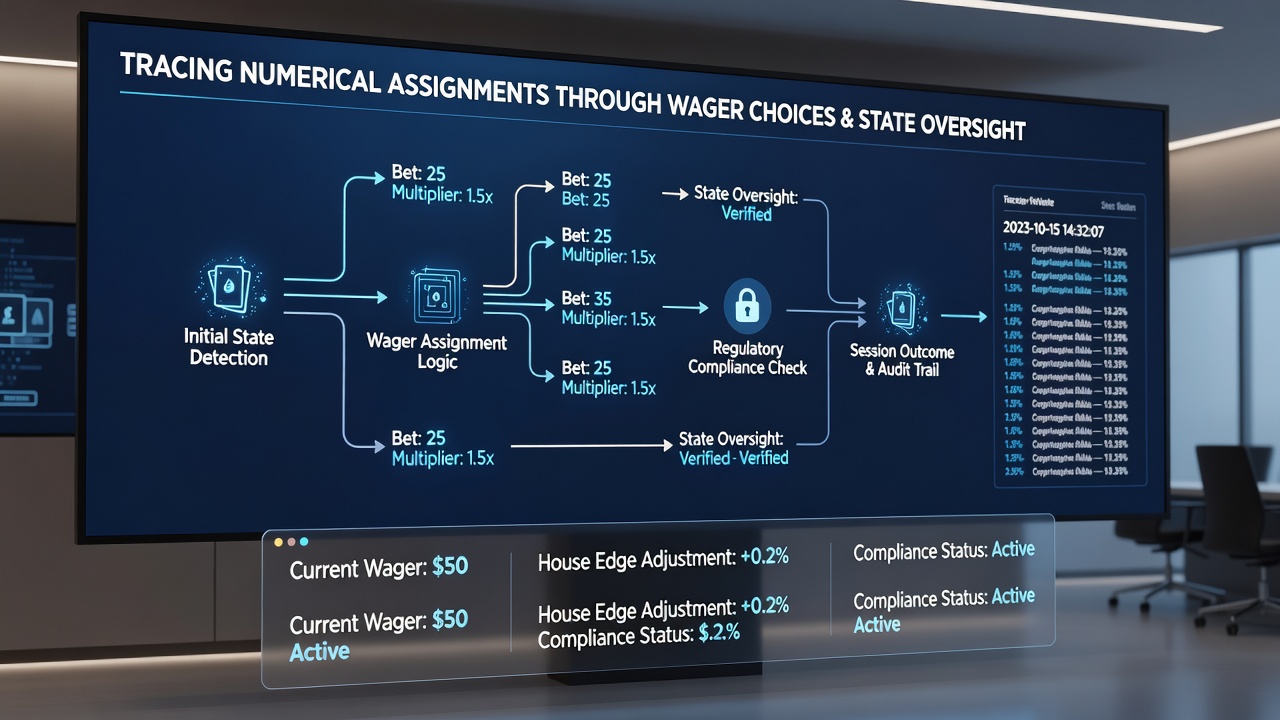
Updates scheduled for September 2026 in several states will expand the granularity of these numerical tracking requirements, particularly around multi-hand sessions where wager choices accumulate across parallel tables. Operators have begun adjusting their logging architectures to accommodate additional data fields that capture cumulative numerical totals alongside individual bet decisions. This shift aligns with broader efforts by industry groups to standardize reporting formats across state lines while preserving each jurisdiction's unique oversight priorities.
Integration of Numerical Data with Platform Compliance
Compliance teams at licensed sites use automated tools to flag sequences where numerical assignments and wager amounts show unexpected correlations that fall outside typical variance ranges. These tools process data streams in batches, comparing current session logs against historical benchmarks collected from the same platform over previous months. When anomalies surface, operators submit detailed reports to state regulators that include full numerical breakdowns of the affected hands and bets.
Industry reports indicate that such integrated monitoring has increased the volume of routine audits conducted each quarter, yet the process remains focused on aggregate data rather than isolated incidents. Academic papers published through university gaming research centers highlight how these numerical tracing methods support transparent operations without restricting player options for adjusting wagers during play.
Conclusion
State oversight of numerical assignments in digital blackjack continues to evolve through refined logging standards that connect card values directly to wager records. Platforms operating under these frameworks maintain detailed sequences that regulators access for verification purposes, and upcoming changes in September 2026 will further define the data points required for compliance. Observers note that these systems emphasize verifiable connections between numerical elements and bet choices across licensed environments, which supports consistent application of jurisdictional rules in virtual settings.