
State Betting Limits and Their Role in Shaping Wager Adjustments Across US Blackjack Jurisdictions
Data from regulatory filings shows that numerical thresholds for minimum and maximum wagers vary significantly across US states, which creates distinct operational frameworks for blackjack tables operating under multiple jurisdictions; these differences require operators and players to adjust wager amounts based on local statutes rather than uniform national standards.
Regional Variations in Minimum Bet Requirements
Observers note that Nevada maintains flexible minimum bet thresholds often set as low as five dollars at many Strip properties, whereas New Jersey Division of Gaming Enforcement records indicate Atlantic City tables frequently enforce ten-dollar minimums during peak October 2026 periods, and Michigan Gaming Control Board reports reveal Detroit venues adjusting floors between fifteen and twenty-five dollars depending on table occupancy data. Such thresholds directly influence how much players must commit before any hand begins, which in turn affects bankroll allocation strategies when participants move between states.
Research indicates that these minimums serve as entry points calibrated to local market conditions, with California tribal compacts documented by the California Gambling Control Commission showing higher floors in high-traffic cardrooms compared to rural locations; the result is that wager adjustments become necessary whenever a player crosses state lines because a single strategy calibrated to one jurisdiction rarely transfers unchanged.
Maximum Bet Caps and Their Regulatory Basis
Maximum wager limits receive equal attention from regulators because they cap potential payouts and manage house exposure. Figures from the Nevada Gaming Control Board demonstrate that many Las Vegas properties allow maximums reaching ten thousand dollars per hand, while Pennsylvania Gaming Control Board filings list caps closer to five thousand dollars at most licensed venues. These caps force adjustments in progressive betting systems because exceeding the posted maximum voids the wager under state rules.
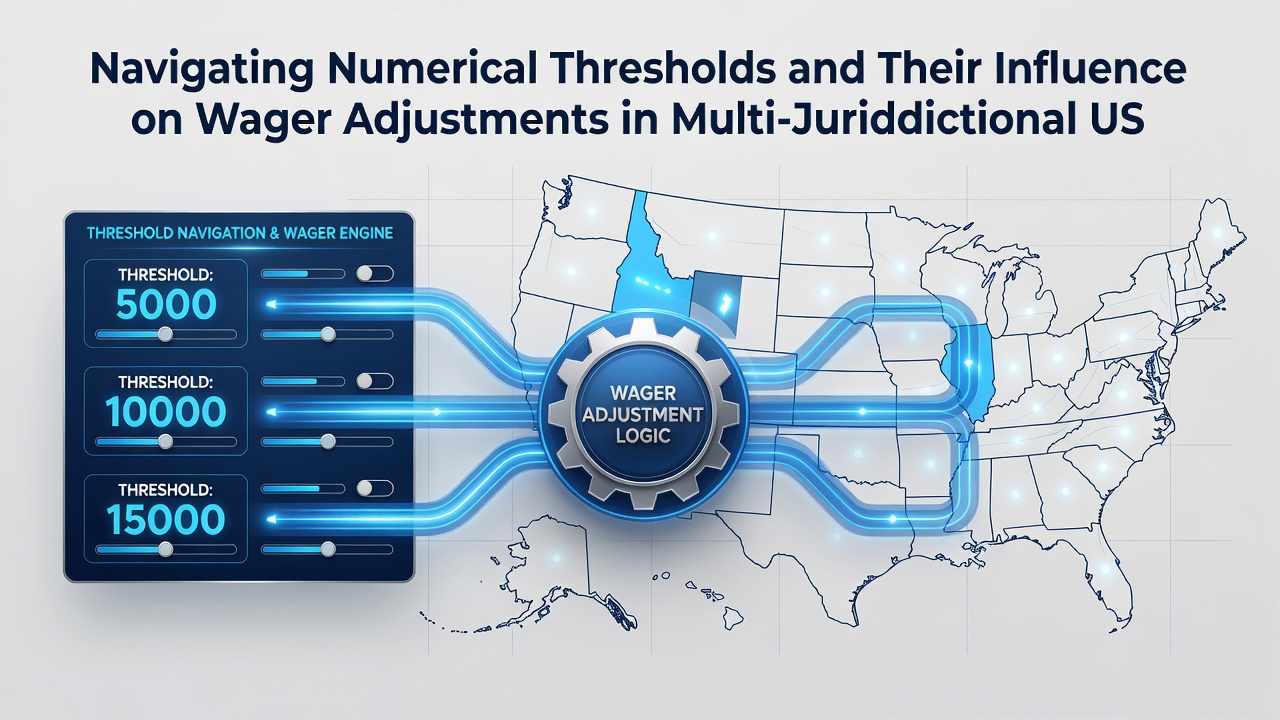
One study released by the University of Nevada, Las Vegas International Gaming Institute revealed that states with tighter maximum thresholds tend to see more frequent mid-shoe wager reductions among advantage-oriented participants, whereas jurisdictions permitting higher caps experience steadier bet spreads; the pattern emerges because players must recalibrate their ranges to stay within each venue's posted numerical boundaries.
Impact on Multi-Jurisdictional Travel and Play Patterns
Travel between regulated markets requires constant recalculation of acceptable wager ranges because numerical thresholds rarely align. Data compiled by the National Council on Problem Gambling shows that players crossing from Nevada into California often reduce their standard betting unit by thirty to forty percent to accommodate stricter table minimums and maximums enforced under tribal-state compacts. The same reports note that October 2026 saw increased cross-border traffic as new digital monitoring systems made real-time limit checks more accessible to both operators and regulators.
Industry associations such as the American Gaming Association have documented that multi-state operators now maintain centralized databases listing every jurisdiction's current numerical thresholds, allowing floor staff to update table signage within minutes when regulatory changes occur; this infrastructure reduces errors while ensuring compliance across properties.
Conclusion
Regulatory bodies in each state continue to set and revise numerical thresholds that govern blackjack wagers, which produces a patchwork of minimums and maximums requiring ongoing adjustments by anyone operating or playing across US jurisdictions. Records from multiple gaming commissions confirm that these limits remain tied to local economic and enforcement priorities rather than any single national template, and October 2026 updates have reinforced the need for precise tracking of state-specific figures.